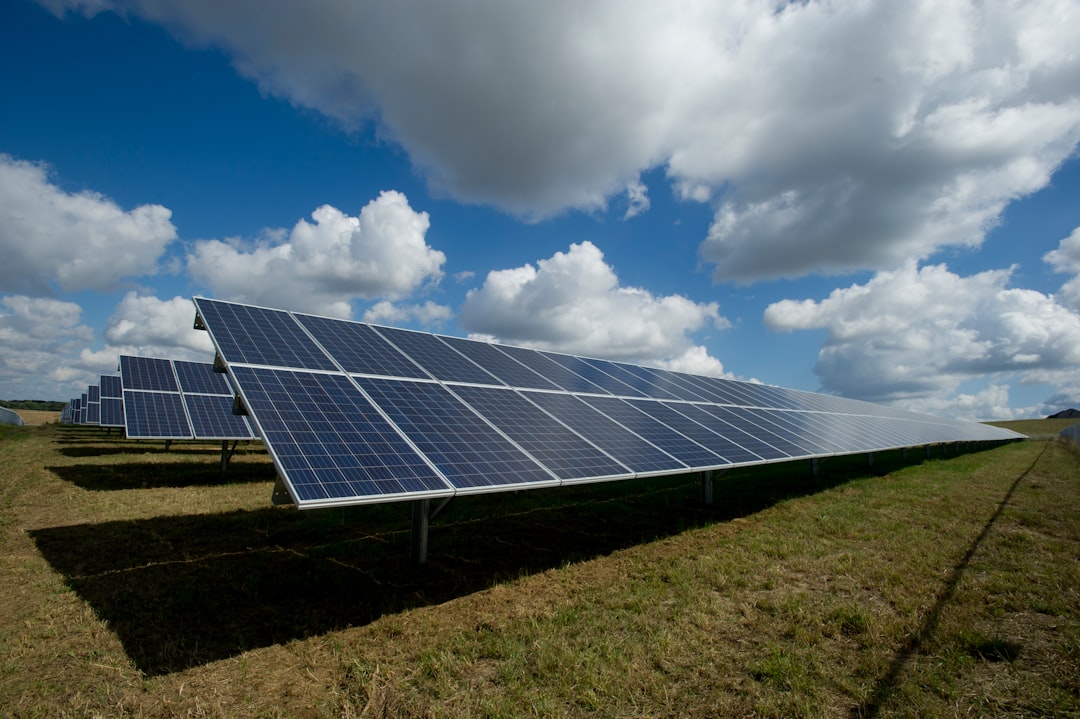
The question every homeowner asks before calling an installer: are solar panels actually worth it in the UK in 2026? After years of feed-in tariff subsidies ending and electricity prices spiking, the economics have shifted significantly. The short answer is yes — but with important caveats. Here’s an honest, data-driven look.
The Core Numbers: Costs vs Savings
A standard 4kW solar system in the UK costs £5,500–£7,000 fully installed in 2026, including panels, inverter, mounting, cabling, and labour. VAT has been 0% on residential solar since April 2022, saving around £1,200–£1,400 compared to pre-2022 prices.
Against that upfront cost, here’s what you can realistically save:
| Saving Source | Typical Annual Amount |
|---|---|
| Reduced electricity bill (self-consumption) | £600–£900 |
| Smart Export Guarantee (SEG) export income | £100–£200 |
| Total annual saving | £700–£1,100 |
At £6,000 installed and £900/year in combined savings, payback is around 6–7 years. Your panels will then generate near-free electricity for another 18–22 years (panel warranties typically cover 25 years for 80% output).
Payback Period by System Size
| System Size | Typical Cost | Annual Saving | Payback Period |
|---|---|---|---|
| 3kW (8–9 panels) | £4,500–£5,500 | £550–£750 | 6–8 years |
| 4kW (10–12 panels) | £5,500–£7,000 | £700–£1,000 | 6–8 years |
| 5kW (13–15 panels) | £7,000–£8,500 | £900–£1,200 | 7–8 years |
| 6kW (16–18 panels) | £8,000–£10,000 | £1,000–£1,400 | 7–9 years |
Larger systems don’t always deliver proportionally better returns because at some point you’re generating more than you can use, and export rates are modest. A 4kW system typically offers the sweet spot for a 3-bedroom home.
What Affects Your Return
Roof orientation: South-facing at 30–35° tilt is optimal. South-west and south-east lose roughly 10–15% of output. East/west-facing roofs lose around 20–25% but can still make financial sense. North-facing roofs are generally not viable.
Usage patterns: If you’re home during the day, you self-consume more solar (35–55%), boosting savings. If you’re out all day, self-consumption drops to 20–30% without a battery, reducing the return.
Electricity price: Savings are calculated at around 28p/kWh (Ofgem price cap level in 2026). If prices rise further, payback accelerates. If they fall, payback extends.
SEG tariff: Octopus Energy’s Outgoing Octopus pays up to 15p/kWh — far better than the 5–6p offered by most suppliers. Switching to a competitive SEG tariff adds £100–£200/year.
Property Value Uplift
Multiple UK studies confirm solar panels increase property values. A Rightmove analysis found homes with solar sell for 2–4% more on average. For a £350,000 home, that’s £7,000–£14,000 added value — potentially more than the installation cost alone. EPC ratings improve from D to B or C in many cases, which matters increasingly for mortgage eligibility and rental compliance.
When Solar Might Not Be Worth It
Solar panels are generally not worth it if: your roof is heavily shaded by trees or neighbouring buildings; your roof faces predominantly north; you’re planning to move within 3–4 years and can’t recoup the cost; or your property is a listed building or in a conservation area where planning permission would be difficult. In these cases, a specialist survey is essential before committing.
Frequently Asked Questions
Q: Do solar panels work well in the UK’s cloudy climate?
A: Yes. Solar panels generate from daylight, not direct sunshine. The UK averages 1,100–1,350 peak sun hours per year — enough for a 4kW system to generate 3,200–3,600 kWh annually. Germany, a bigger solar market, has similar irradiance.
Q: What happens to solar panels after 25 years?
A: Most panels are warranted to retain at least 80% of their rated output at 25 years — in practice many retain 85–90%. After warranty expiry they continue generating, just with gradually declining output. Inverters typically need replacing at 10–12 years (£500–£1,000).
Q: Can I sell solar electricity to my neighbours?
A: Not directly, but licensed peer-to-peer energy trading platforms are emerging. Currently the SEG is the main route to sell surplus, and you can also join VPP (virtual power plant) schemes via your battery if you have one.
Q: Will solar panels damage my roof?
A: A reputable MCS-accredited installer uses non-penetrating tile hooks that preserve your roof’s weatherproofing. Problems are rare and are typically linked to poor installation rather than solar hardware itself.
Q: How do I know if my installer is reputable?
A: Always use MCS-accredited installers — this is a legal requirement for SEG eligibility. Check the MCS installer database at mcscertified.com and get at least three quotes.