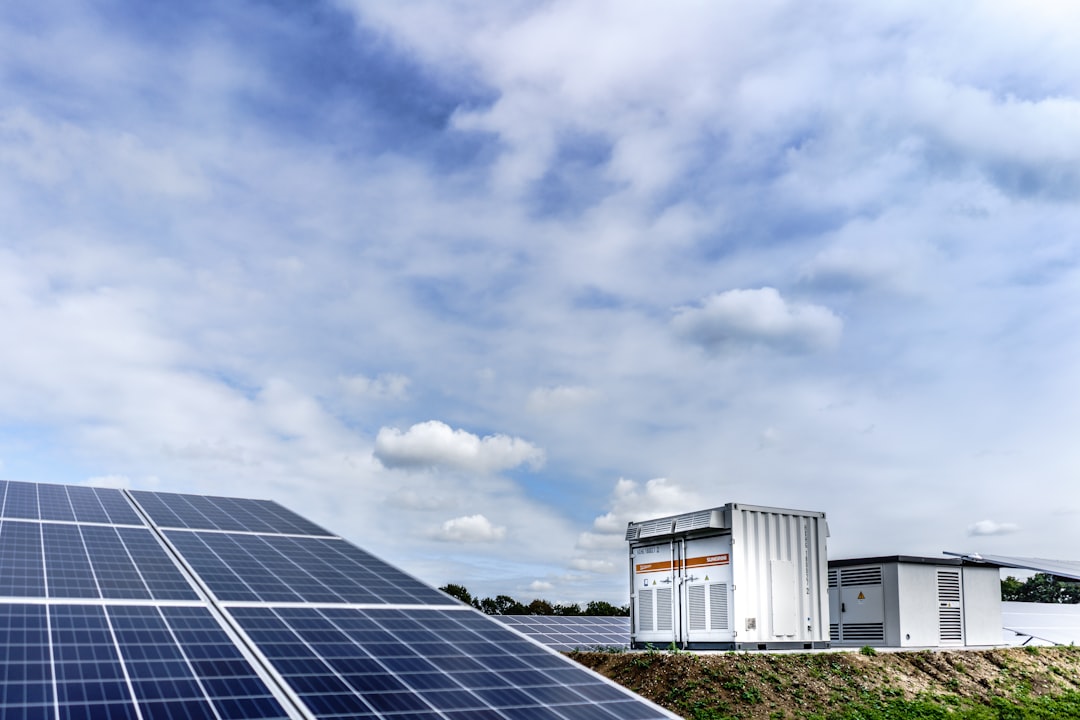
Adding a battery to your solar panel system is one of the most talked-about home energy upgrades in 2026. With electricity prices still elevated and export tariffs varying wildly between suppliers, the appeal of storing your surplus solar power rather than selling it cheaply is obvious. But is a solar battery actually worth the upfront cost in the UK? This guide breaks down everything you need to know.
How Solar Battery Storage Works
Solar panels generate DC electricity which your inverter converts to AC for household use. Without a battery, any power you don’t use instantly is exported to the grid — typically earning you 5–15p/kWh through the Smart Export Guarantee. A battery stores that surplus instead, letting you use it in the evening when your panels aren’t generating. A 9.5kWh battery can typically cover most of a UK household’s evening electricity demand.
Most modern batteries use lithium iron phosphate (LFP) chemistry, which offers 4,000–6,000 charge cycles and a 10-year warranty from leading brands. AC-coupled batteries (like the Tesla Powerwall) can be retrofitted to any existing solar system, while DC-coupled batteries (like GivEnergy) are more efficient when installed alongside new panels.
Solar Battery Costs UK 2026
| Battery | Capacity | Installed Cost | Warranty | Cycles |
|---|---|---|---|---|
| GivEnergy 9.5kWh | 9.5kWh | £4,000–£5,000 | 10 years | 6,000 |
| FoxESS ECS2900 | 11.6kWh | £4,500–£5,500 | 10 years | 6,000 |
| Tesla Powerwall 3 | 13.5kWh | £8,000–£9,500 | 10 years | Unlimited* |
| SolarEdge Energy Bank | 9.7kWh | £5,000–£6,500 | 10 years | 6,000 |
| Sungrow SBR096 | 9.6kWh | £3,800–£4,800 | 10 years | 6,000 |
*Tesla warrants unlimited cycles for the Powerwall 3.
Installation costs include the battery unit, a compatible hybrid inverter if needed, electrical work, scaffolding (where required), and VAT at 0% for residential installs. Prices vary by region — installations in London and the South East typically cost £500–£800 more.
Is Solar Battery Storage Worth It?
The honest answer depends on your usage patterns. If you’re at home during the day, you already benefit from solar directly and may find a battery adds less value than for a household that’s out all day. Here’s a realistic savings breakdown for a 4kW solar system with a 9.5kWh battery in 2026:
| Scenario | Without Battery | With Battery | Annual Saving |
|---|---|---|---|
| Self-consumption | 35% | 75% | +40% |
| Units self-consumed | 1,190 kWh | 2,550 kWh | +1,360 kWh |
| Electricity saving @ 28p | £333 | £714 | +£381 |
| SEG export @ 10p | £180 | £45 | -£135 |
| Net annual saving | £513 | £759 | +£246 |
At £4,500 installed and £246/year in extra savings, a standalone battery payback is around 18 years — which is why batteries make more financial sense when electricity prices rise further or when paired with an EV for overnight charging. The GivEnergy and FoxESS units also support time-of-use tariffs like Octopus Intelligent, letting you charge cheaply at night (6–8p/kWh) and use stored power at peak rates.
Best Solar Battery Brands UK 2026
GivEnergy dominates the UK market with a strong installer network, an excellent monitoring app, and competitive pricing. Their Gen 3 units support VPP (virtual power plant) participation and Agile tariff integration.
FoxESS has rapidly grown its UK market share with reliable hardware and good value for money. Their ECS series is popular with installers and the company offers strong technical support.
Tesla Powerwall 3 remains the premium choice. The all-in-one design (inverter built in) simplifies installation and the app experience is excellent, but the price premium over GivEnergy is substantial.
SolarEdge Energy Bank works seamlessly with SolarEdge inverters and offers excellent DC efficiency, but you’re locked into their ecosystem.
Frequently Asked Questions
Q: Do solar batteries qualify for any UK grants in 2026?
A: Home batteries are not currently covered by the ECO4 scheme, which focuses on insulation and heat pumps. However, batteries installed alongside solar panels qualify for 0% VAT. The Great British Energy scheme announced in 2025 may include battery storage in future rounds — check the GOV.UK website for updates.
Q: How long do solar batteries last?
A: Most lithium iron phosphate batteries are warranted for 10 years or 4,000–6,000 cycles, retaining at least 70–80% of their original capacity. Real-world lifespan is often 12–15 years with normal use.
Q: Can I add a battery to my existing solar panels?
A: Yes — AC-coupled batteries like the Tesla Powerwall or GivEnergy AC units can be added to any existing solar system regardless of the inverter brand. DC-coupled batteries require a compatible hybrid inverter.
Q: What size battery do I need for a UK home?
A: A 9.5–10kWh battery covers the evening usage of most UK homes (average 3,800 kWh/year). If you have an EV, consider 13–20kWh to allow for overnight car charging on cheap tariffs.
Q: Is it better to get solar and battery together or separately?
A: Together is usually cheaper — DC-coupled systems installed at the same time cost less than adding an AC battery later, and scaffolding only needs to go up once. Expect a combined 4kW solar + 9.5kWh battery system to cost £9,000–£12,000 installed in 2026.