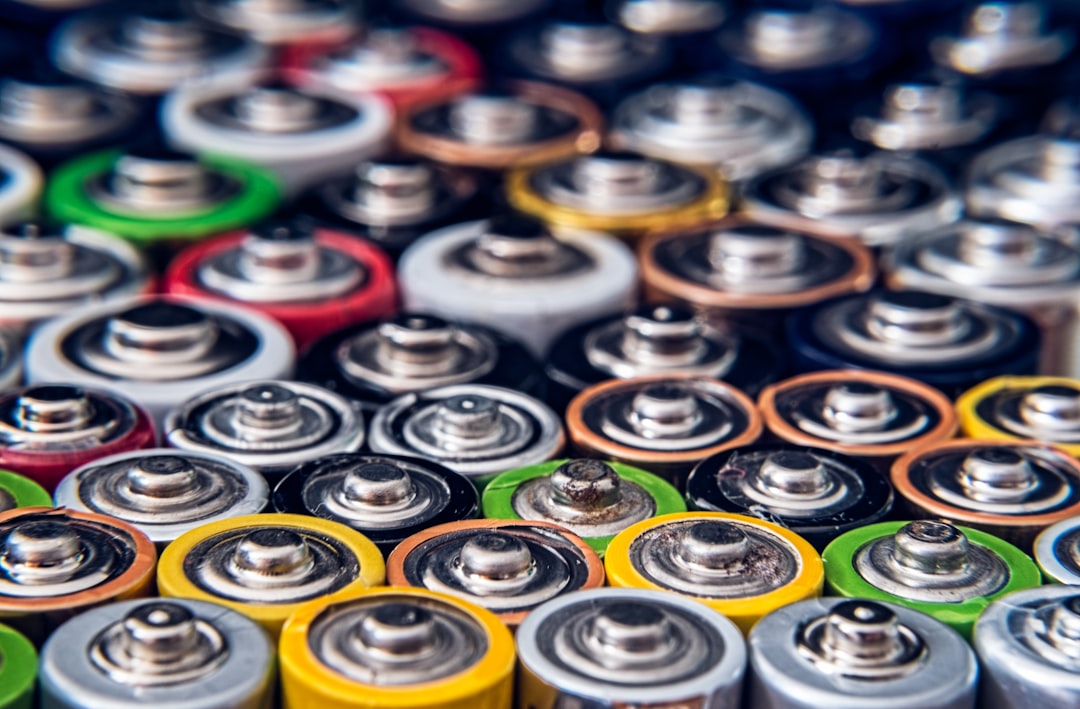
Choosing the right solar battery can be as confusing as choosing the panels themselves. Capacity, chemistry, warranty terms, smart tariff compatibility, and installer availability all affect which battery is right for your home. This independent review compares the leading UK solar battery brands for 2026.
Quick Comparison: Top UK Solar Batteries
| Battery | Capacity | Power (kW) | Installed Cost | Warranty | Cycles |
|---|---|---|---|---|---|
| GivEnergy Gen3 9.5kWh | 9.5kWh | 5.0kW | £4,000–£5,200 | 10 years | 6,000 |
| FoxESS ECS2900-H3 | 11.6kWh | 6.0kW | £4,500–£5,800 | 10 years | 6,000 |
| Tesla Powerwall 3 | 13.5kWh | 11.5kW | £8,200–£9,800 | 10 years | Unlimited |
| SolarEdge Energy Bank | 9.7kWh | 5.0kW | £5,000–£6,500 | 10 years | 6,000 |
| Sungrow SBR HV | 9.6–19.2kWh | 5.0kW | £3,800–£9,000 | 10 years | 6,000 |
| Huawei LUNA2000 | 10kWh | 5.0kW | £4,200–£5,500 | 10 years | 6,000 |
All use lithium iron phosphate (LFP) chemistry — safer and longer-lived than earlier NMC batteries.
GivEnergy: Best All-Rounder
GivEnergy has become the UK’s most popular solar battery brand for good reason. Their Gen 3 9.5kWh unit sits in the sweet spot of capacity and price, and their installer network is the largest in the country. The GivEnergy app is excellent — intuitive, detailed, and supports Octopus Agile, Intelligent, and Cosy tariffs natively.
The new AC3 Pro supports VPP (virtual power plant) programmes, where your battery can be remotely dispatched to provide grid services in exchange for bill credits. GivEnergy’s customer support has improved significantly from early years.
Best for: Most UK homeowners wanting proven, well-supported technology at a competitive price.
FoxESS: Strong Value Challenger
FoxESS has rapidly grown from a Chinese manufacturer to a strong UK presence with a local support operation. Their ECS (Energy Control System) batteries pair seamlessly with FoxESS inverters and offer competitive pricing. The 11.6kWh H3 Pro unit offers slightly more capacity than GivEnergy’s flagship at a similar price point.
FoxESS supports time-of-use scheduling and integrates with Octopus tariffs, though the app is slightly less polished than GivEnergy’s. Installer support is good in England; availability in Scotland and Wales is improving.
Best for: Homeowners whose installer recommends FoxESS, or those who want slightly more capacity at similar cost.
Tesla Powerwall 3: Premium Choice
The Powerwall 3, launched in 2024 and now widely available in the UK, is a significant upgrade from the Powerwall 2. The all-in-one design integrates the inverter, removing a separate unit and simplifying installation. At 13.5kWh with 11.5kW peak output, it’s significantly more powerful than most competitors.
The Tesla app is polished and the unlimited cycle warranty is genuinely industry-leading. However, at £8,200–£9,800 installed, it costs roughly double a GivEnergy equivalent. The premium is justified if aesthetics and brand matter to you, or if you’re pairing with a Tesla vehicle for seamless integration.
Best for: Those who want the best-in-class experience and aren’t price-sensitive, especially Tesla EV owners.
Sungrow: Best Budget Option
Sungrow’s SBR HV series offers competitive pricing from a major global manufacturer. The modular design allows capacity expansion later (add 3.2kWh modules up to 25.6kWh). Less polished app and smaller UK installer network than GivEnergy, but reliable hardware and strong global track record.
Best for: Price-conscious buyers, or those who may want to expand capacity later.
How to Choose
Consider these questions: Does your installer have strong experience with the brand? What smart tariff integrations do you want (most brands now support Octopus)? Do you want to add more capacity in the future (modular systems like Sungrow)? Is the all-in-one simplicity of the Powerwall 3 worth the premium to you?
Frequently Asked Questions
Q: Can I add any battery to my existing solar system?
A: AC-coupled batteries (Powerwall 3, GivEnergy AC) work with any existing solar inverter. DC-coupled batteries require a compatible hybrid inverter — you may need to replace your current inverter, adding £500–£1,000 to the cost.
Q: How do I know what battery capacity I need?
A: A 9.5–10kWh battery covers typical UK evening usage (average household uses 9–12 kWh/day, but mostly in evenings and mornings). Add capacity if you have an EV you want to charge from solar-stored energy overnight.
Q: Are solar batteries safe?
A: Modern LFP batteries are significantly safer than earlier lithium batteries — they don’t overheat or catch fire in the way older NMC chemistry can. UK installations require batteries to be installed to BS 7671 wiring regulations with appropriate fire detection.
Q: What happens to the battery in a power cut?
A: Some batteries provide backup power during grid outages, but not all do as standard. GivEnergy’s EPS (Emergency Power Supply) module and Tesla Powerwall 3 both support islanding backup. Check whether backup is included or an add-on.
Q: Will a battery void my solar panel warranty?
A: No — adding a battery to an existing system does not affect panel warranties. However, adding a DC-coupled battery that requires inverter changes should be done by an MCS-accredited installer.