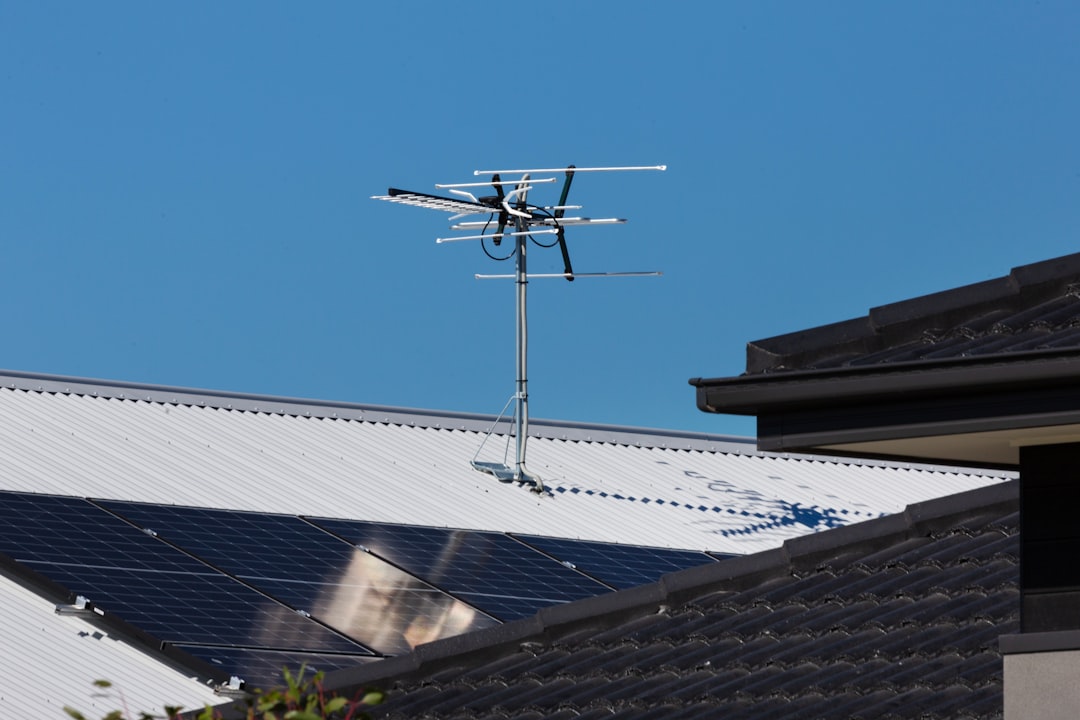
The number of solar panels you need depends on three things: how much electricity you use, how large your roof is, and what wattage panels are being installed. Modern 400–450W panels are significantly more powerful than the 250–275W panels installed just 5–6 years ago, so today’s installations need fewer panels to achieve the same output.
How Panel Wattage Has Changed
| Year | Common Panel Wattage | Panels for 4kW System |
|---|---|---|
| 2015 | 250–275W | 15–16 panels |
| 2018 | 300–330W | 13–14 panels |
| 2021 | 350–400W | 10–12 panels |
| 2024–2026 | 400–450W | 9–10 panels |
This matters practically: fewer high-wattage panels fit in the same roof space, and fewer panels means less visual impact, fewer connections, and often lower installation labour costs per watt.
How Many Panels by Property Type
| Property | Annual Usage | System Size | Panels (420W) | Roof Space Needed |
|---|---|---|---|---|
| 1-bed flat/house | 1,800 kWh | 2–2.5kW | 5–6 | 10–12m² |
| 2-bed terrace | 2,500 kWh | 3kW | 7–8 | 14–16m² |
| 3-bed semi-detached | 3,500 kWh | 4kW | 10 | 19–21m² |
| 3-bed detached | 4,000 kWh | 4–5kW | 10–12 | 19–25m² |
| 4-bed detached | 5,000 kWh | 5–6kW | 12–15 | 24–30m² |
| 5-bed detached | 6,500 kWh | 6–8kW | 15–20 | 30–40m² |
How to Count Your Actual Roof Space
Measure the south-facing portion of your roof (or south-east/south-west if south isn’t available). A standard UK semi-detached has roughly 25–30m² of usable south-facing roof, but chimneys, Velux windows, and roof vents reduce this. Each 420W panel takes up approximately 2m² including mounting gaps.
Subtract: 1m from the ridge (ridge tiles need clearance), 0.3m from all edges (safety and access), and any obstructions. In practice, most 3-bed semis have 18–22m² of usable panel space — enough for 9–11 panels (3.8–4.6kW).
Panel Orientation Adjustments
If your roof doesn’t face south, output per panel decreases:
| Roof Orientation | Output vs South-Facing |
|---|---|
| South (180°) | 100% (baseline) |
| South-West (225°) | 93–95% |
| South-East (135°) | 93–95% |
| West (270°) | 78–82% |
| East (90°) | 78–82% |
| North-West/North-East | 55–65% |
| North (0°) | Not recommended |
For east/west roofs, you can partially compensate by increasing system size — 14 panels on a west-facing roof may generate similar annual kWh to 12 panels south-facing.
Roof Pitch Adjustments
| Pitch Angle | Output vs 35° |
|---|---|
| 10° | 93% |
| 20° | 97% |
| 30° | 99% |
| 35° | 100% (optimal UK) |
| 45° | 99% |
| 60° | 91% |
Very shallow roofs (under 15°) and very steep roofs (over 55°) both lose output — but rarely enough to make installation unviable.
When You Might Need More Panels
Consider increasing system size above the basic formula if: you have an EV and charge at home; you’re planning a heat pump (adds 3,000–5,000 kWh/year); you work from home and have high daytime usage; or you want to add a battery and maximise storage cycles.
Frequently Asked Questions
Q: What’s the maximum number of panels I can install without planning permission?
A: In England, permitted development allows solar panels on any domestic building as long as they don’t protrude more than 200mm from the roof surface. There’s no specific panel count limit, but total system size may affect DNO notification requirements (G98 applies up to 3.68kW per phase; larger systems need G99 approval).
Q: Do more panels always mean more savings?
A: Up to a point. Once your system generates more than you can consume or store, additional panels mainly increase exports at modest SEG rates. For a home without a battery, more than 5–6kW is often overkill unless you have an EV or heat pump.
Q: Can I add more panels to my existing system later?
A: Yes, but it’s usually more expensive than installing them all at once (scaffolding, re-cabling, possible inverter upgrade). If your roof has space, it’s almost always cheaper to install your full intended system at the outset.
Q: Are larger panels better than more smaller panels?
A: All else equal, fewer high-wattage panels are preferable — less racking, fewer electrical connections, and often a neater aesthetic. The key is panel efficiency (watts per m²) — look for 20%+ efficiency from leading brands.
Q: What if part of my roof is shaded?
A: Shading significantly impacts output. Even one shaded panel in a string can reduce output from the entire string. Consider microinverters (Enphase) or power optimisers (SolarEdge) which allow shaded panels to operate independently without dragging down the whole array.