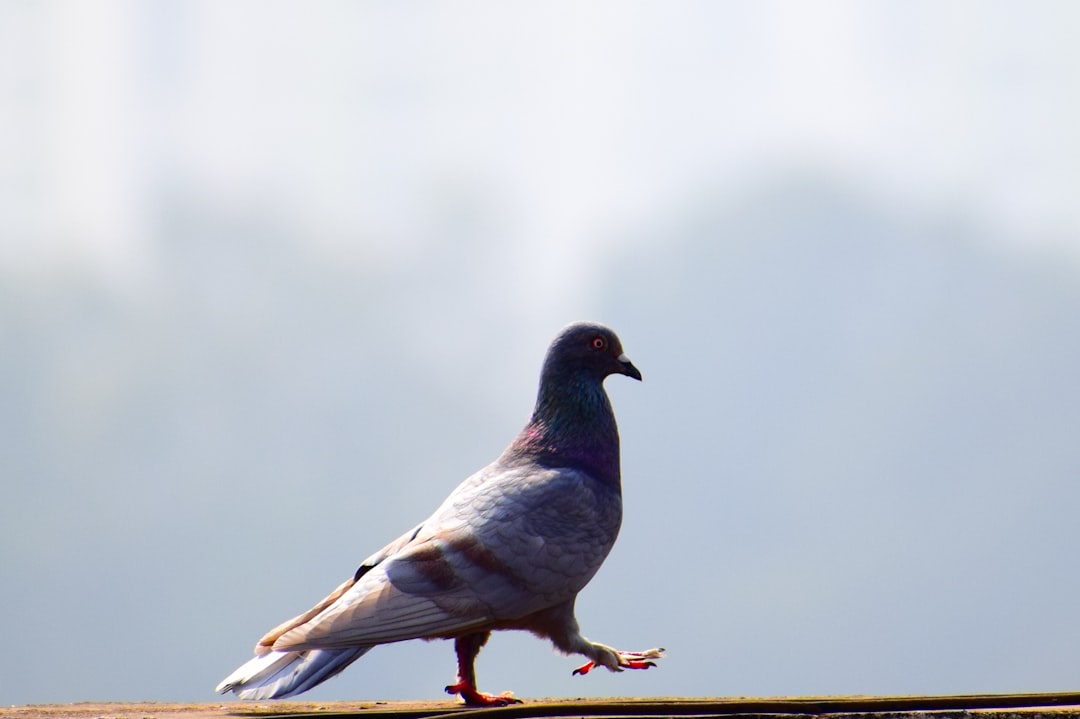
Pigeons nesting under solar panels is a surprisingly common and costly problem for UK homeowners. Once birds discover the sheltered, warm space beneath roof-mounted panels, they return repeatedly, creating noise, mess, and real damage. This guide explains the best pigeon-proofing methods, costs, and whether DIY is a realistic option.
Why Pigeons Are Attracted to Solar Panels
Solar panels mounted on a pitched roof create a sheltered, warm cavity that is virtually predator-proof — ideal nesting conditions for urban pigeons. The space also protects nests from rain. Once a pair establishes a nest, they’ll return every breeding season and the colony grows over time. Problems escalate quickly.
The Real Damage Pigeons Cause
Beyond the obvious noise and mess, pigeons under solar panels cause several specific problems:
| Problem | Impact |
|---|---|
| Droppings on panel surface | 5–15% output reduction |
| Nesting material blocking airflow | Panels overheat, reducing efficiency by up to 10% |
| Cable damage from pecking/nesting | Risk of short circuits, fire |
| Moisture retention from nesting | Roof tile and rafter damage |
| Voided inverter warranties | Some manufacturers cite pest damage to exclude claims |
| DNO notification complications | Structural damage may require re-inspection |
A study by the Solar Trade Association found pigeon-affected systems averaged 12% lower annual output than comparable clean systems.
Pigeon-Proofing Methods Compared
Mesh/Netting (Most Effective)
Galvanised steel or UV-resistant polypropylene mesh is fitted around all four edges of the panel array, clipped to the panel frames. This prevents access to the gap beneath entirely. It’s the gold standard and the only method recommended by most UK solar installers.
Bird Spikes
Anti-perch spikes along roof ridges and panel edges deter landing but don’t prevent nesting under panels. Useful as a complementary measure but not sufficient alone.
Wire Systems
Tensioned stainless steel wires along edges of panels make perching uncomfortable. Less visually intrusive than spikes but also less effective than mesh for preventing under-panel nesting.
Decoy Predators
Plastic owls and hawk kites have very limited effectiveness — pigeons adapt quickly. Not recommended as a primary solution.
| Method | Effectiveness | Installed Cost | Lifespan |
|---|---|---|---|
| Galvanised mesh | Excellent | Get a quote | 10–15 years |
| Polypropylene mesh | Good | £150–£350 | 7–10 years |
| Bird spikes | Limited | £100–£200 | 10+ years |
| Wire systems | Moderate | £150–£300 | 10+ years |
| Decoy predators | Poor | £20–£50 | — |
Professional Installation vs DIY
Working on a roof is inherently dangerous. Unless your panels are on a very low-pitch conservatory roof that you can safely access from a ladder, professional installation is strongly recommended. Falls from roofs cause hundreds of serious injuries in the UK each year.
Professional pigeon-proofing cost depends on your roof size, panel count, and access, so get a fixed quote from a solar maintenance company or pest control firm that offers this service. Most use specialist clips that attach to panel frames without drilling, and the work is usually completed in 2–4 hours.
DIY mesh kits are available for £60–£150 online, but safe roof access equipment (scaffold tower or cherry picker) costs £150–£300/day to hire. The DIY cost savings narrow significantly when access equipment is factored in.
What to Do If Pigeons Are Already Nesting
Under the Wildlife and Countryside Act 1981, you cannot disturb an active nest while eggs or chicks are present. Wait until the breeding season ends (typically September–October), then have the nest professionally removed and the mesh installed immediately. Delay invites reinfestation the following spring.
Frequently Asked Questions
Q: Will pigeon proofing mesh damage my solar panels or roof?
A: Quality mesh uses spring-loaded clips that grip panel frames — no drilling required. Correctly fitted mesh does not damage panels or tiles. Avoid any system requiring holes in panel frames.
Q: How much does it cost to remove an existing pigeon nest?
A: Nest removal (after the breeding season) costs £80–£200 depending on the extent of the infestation. Cleaning droppings from panels is an additional £50–£150. Get both done at the same time as mesh installation.
Q: Can I claim pigeon damage on home insurance?
A: Some home insurance policies cover pest damage but many exclude it, or have specific clauses about maintenance. Check your policy wording. If your inverter warranty was voided by pest damage, coverage will depend on your insurer’s terms.
Q: How do I know if pigeons are nesting under my panels?
A: Signs include: cooing sounds from the roof, droppings around the base of your house in lines, feathers and nesting debris in gutters, and a drop in your solar monitoring output without obvious explanation.
Q: Does pigeon proofing qualify for any tax relief or grants?
A: No specific grants exist for pigeon proofing. However, it’s considered a maintenance cost that protects your solar investment rather than a capital improvement.