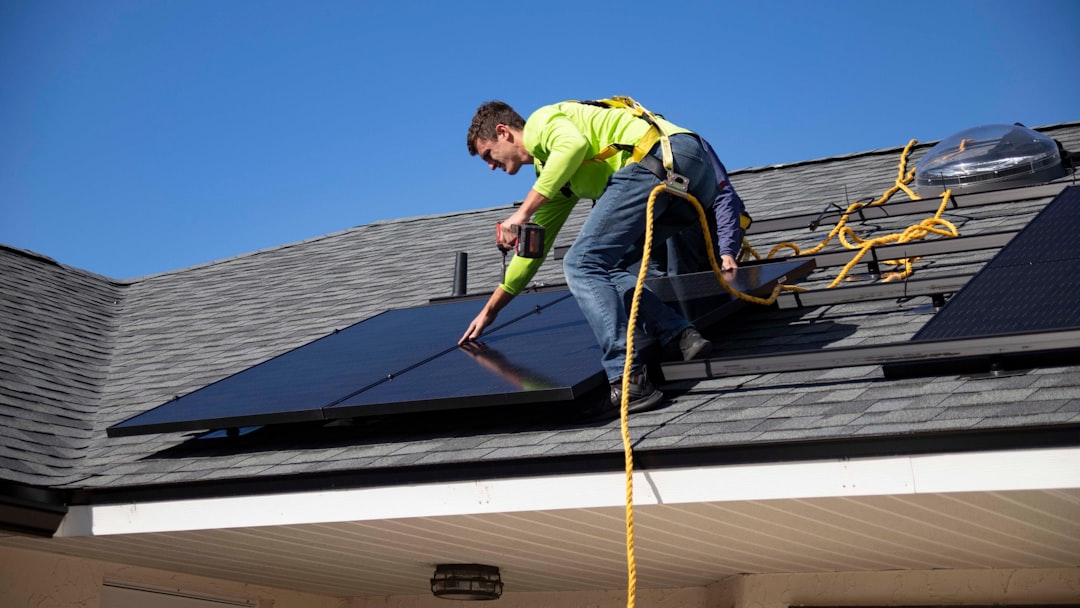
Understanding the true cost of solar panel installation is the first step to getting good value. Prices in the UK vary significantly depending on system size, panel brand, inverter type, roof complexity, and region. This guide breaks down exactly what you’re paying for and how to avoid overpaying.
Average Solar Panel Installation Costs 2026
| System Size | Typical Panels | Typical Cost Range | Average Cost |
|---|---|---|---|
| 3kW | 8–9 panels | £4,000–£5,500 | £4,750 |
| 4kW | 10–12 panels | £5,000–£7,000 | £6,000 |
| 5kW | 13–15 panels | £6,500–£8,500 | £7,500 |
| 6kW | 16–18 panels | £8,000–£10,500 | £9,200 |
| 4kW + 9.5kWh battery | — | £9,000–£13,000 | £11,000 |
All prices include 0% VAT (applicable since April 2022 for residential installations in Great Britain). Prices in Northern Ireland may differ slightly.
What’s Included in the Price
A fully installed solar system quote should include:
Panels: Modern 400–450W monocrystalline panels from brands like JA Solar, Jinko, REC, or SunPower. Budget quotes often use lesser-known brands — check panel warranties (product warranty 10–15 years, performance warranty 25 years).
Inverter: The device that converts DC solar power to AC. String inverters (Solis, SolarEdge, Fronius) are standard; microinverters (Enphase) are fitted per panel and cost more but offer panel-level monitoring. Hybrid inverters allow battery addition later.
Mounting system: Aluminium rails and hooks that attach to roof rafters through tiles. A quality mounting system should not void your roof warranty.
Cabling and isolators: DC cabling from roof to inverter, AC cabling to consumer unit, surge protection, and isolation switches as required by G98/G99 regulations.
DNO notification: Your installer notifies your Distribution Network Operator (DNO) before connection — required for all grid-connected systems.
MCS certification: The Microgeneration Certification Scheme certificate is essential for SEG eligibility and is issued by the installer post-installation.
Monitoring system: Most modern inverters include Wi-Fi monitoring apps. Some installers charge extra for generation meters.
What Can Add to the Cost
| Extra | Typical Additional Cost |
|---|---|
| Battery storage (9.5kWh) | +£3,500–£5,500 |
| Scaffolding (complex roofs) | +£300–£800 |
| East/west split array | +£200–£500 |
| Tile removal & replacement | +£300–£600 |
| Consumer unit upgrade | +£400–£800 |
| EV charger (simultaneous install) | +£800–£1,200 |
| G99 application (>3.68kW single phase) | +£150–£300 |
Regional Price Variation
Solar installation costs are not uniform across the UK. London and the South East typically cost 10–20% more than the Midlands or North due to higher labour rates. Scotland can also be slightly higher due to logistics for remote areas. The South West and Wales tend to be close to the national average.
How to Get the Best Price
Getting three quotes from MCS-accredited installers is essential. Prices vary by up to 30% between installers for identical systems. Use comparison platforms like which.co.uk trusted traders, Solar Energy UK’s installer finder, or your local council’s approved installer list.
Avoid the cheapest quote reflexively — check panel and inverter brands, warranty terms, and whether the company has been trading for at least 3–5 years. Established installers with strong local reviews are worth a small premium.
Frequently Asked Questions
Q: Is there VAT on solar panels in the UK?
A: No — residential solar panel installations have been zero-rated for VAT since April 2022, saving around £1,000–£1,400 on a typical 4kW system compared to pre-2022 prices. This applies in England, Scotland, and Wales; check current rules for Northern Ireland.
Q: Are there any grants to reduce installation costs?
A: There is no universal solar grant in 2026, but ECO4 covers solar for eligible low-income households (check GOV.UK). The Great British Energy scheme launched in 2025 is funding community solar; individual household schemes may follow. Some local councils run interest-free loan schemes.
Q: How long does installation take?
A: Most residential solar installations are completed in one day (4–8 hours). Complex roofs, battery additions, or consumer unit work may require two days. Scaffolding may be erected the day before.
Q: Do I need planning permission?
A: In most cases, no. Solar panels on houses are permitted development in England, Wales, and Scotland if they don’t protrude more than 200mm from the roof and the property isn’t listed or in certain conservation areas. Your installer will advise.
Q: What warranty should I expect?
A: Quality installations should come with: 10–25 year panel performance warranty, 10–15 year panel product warranty, 5–12 year inverter warranty, and 1–2 year workmanship warranty from the installer. MCS certification is also your protection.