Updated June 2026
Plug-and-Play Solar Panels UK: The 2026 Rules Explained
The UK's plug-and-play solar rules changed in 2026 — and they're still changing. Here's exactly what is legal right now, what the 800W limit means, and how to buy and install a kit without falling foul of the rules.
Quick Answer
Plug-in (plug-and-play) solar up to 800W became permissible in the UK when BS 7671 Amendment 4 came into force in April 2026. But the picture is still moving: a government (DESNZ) consultation on socket-connected kits runs 16–30 June 2026, and the dedicated product-safety standard is expected around July 2026. Until certified plug-in kits arrive, the genuinely compliant route is to have a registered electrician connect the system and to submit a free G98 notification to your DNO. Casually plugging an uncertified import into a wall socket is not yet compliant.
Plug-and-Play, Plug-in, Balcony Solar — Same Thing
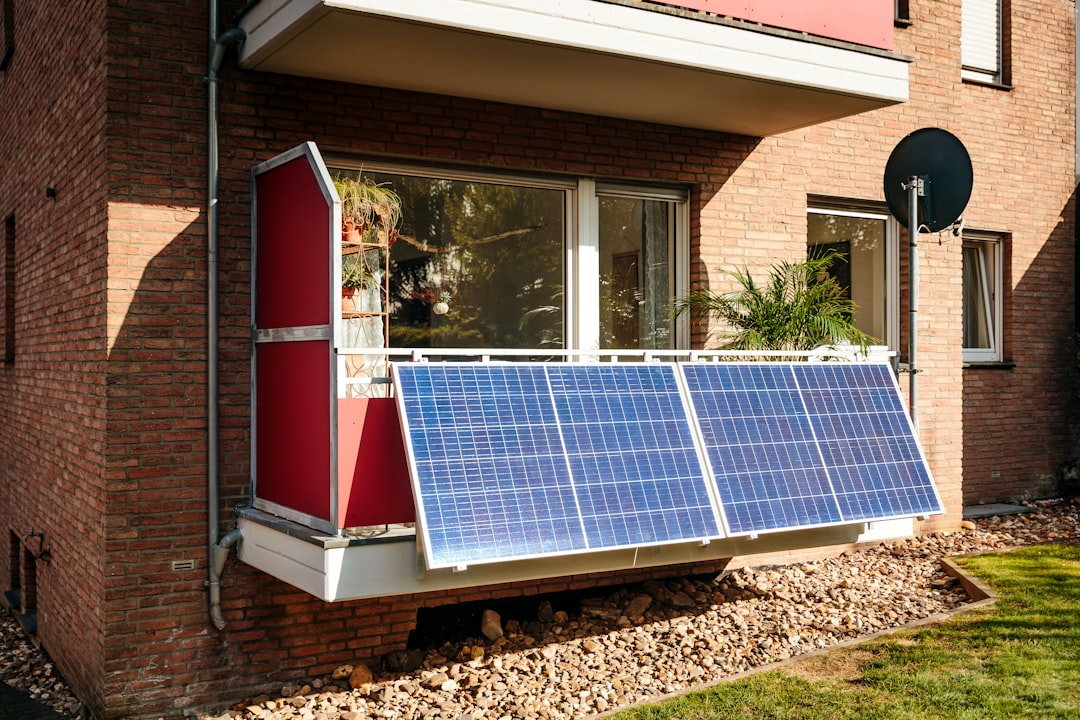
"Plug-and-play solar", "plug-in solar", "balcony solar" and the German Balkonkraftwerk all describe the same idea: one or two panels and a micro-inverter that feed electricity into your home through a single connection, with no scaffolding, no MCS installer and no roof works. The appeal is obvious — low cost, quick setup, and you can take it with you when you move.
This page focuses on one thing the others skip over: the 2026 UK legal position, which changed in April and is still being finalised. If you want the full picture on how these systems work, typical output, costs and the best kits, read our companion guide.
Want the complete how-it-works guide? Our Plug-in Solar Panels UK: Complete 2026 Guide covers output by month, real-world savings, mounting options and the best kits for British conditions. This page is the legal and buying-safety companion to it.
The 2026 Timeline: How the Rules Are Changing
Plug-and-play solar has moved from a regulatory grey area to an actively-evolving framework over a few short months in 2026. The timeline below shows the key milestones — and why the answer to "is it legal?" depends on exactly when you ask.
UK plug-in solar regulation — 2026 milestones
Sources: GOV.UK plug-in solar consultation; BS 7671 Amendment 4; trade press, as of June 2026. Dates and details may change as the consultation concludes.
The crucial nuance: the wiring rules changed before the consumer-product rules. BS 7671 Amendment 4 made it possible to connect a small plug-in generator, but the framework that would let you buy a certified, socket-ready kit off the shelf and plug it in yourself is exactly what the June consultation and the forthcoming product standard are there to settle.
Are Plug-and-Play Solar Panels Legal in the UK Right Now?
The honest answer is "yes, with conditions — and not quite the way most retailers imply." Here is the position as of June 2026.
What changed in April 2026
BS 7671 Amendment 4 — the update to the IET Wiring Regulations — came into force around 15 April 2026 and, for the first time, sets out how a small plug-in microgenerator can be connected to a domestic circuit. The headline figure is a 800W peak limit per household, mirroring the approach used in Germany and much of the EU.
What is still being decided
The Department for Energy Security and Net Zero (DESNZ) opened a consultation on 16 June 2026, closing 30 June 2026, on amending the Plugs and Sockets etc. (Safety) Regulations and introducing an Interim Product Specification for plug-in solar. The proposal would allow a kit to connect via a standard UK plug provided the product meets that specification (broadly modelled on the German DIN VDE 0126-95 approach). A full BSI product-safety standard is expected to follow, around July 2026.
The bottom line, today
- 1. The legal ceiling for a domestic plug-in system is 800W peak.
- 2. You must still submit a G98 notification to your DNO before connecting — even for a single 400W panel.
- 3. Until certified socket-ready kits exist, the safe and compliant route is a registered (Part P / CPS) electrician connecting the system, not plugging an uncertified import into the wall yourself.
- 4. All equipment should carry UKCA or CE marking and the micro-inverter must include anti-islanding protection.
- 5. The detail is in flux — re-check the position before you buy, as the consultation concludes at the end of June 2026.
Your DNO (Distribution Network Operator) is the company that owns the cables feeding your street — not your energy supplier. Find yours at energynetworks.org. The G98 form is free, online, and takes minutes; it is a notification, not an approval gate, but the network needs to know what is generating on each phase. Keep the confirmation for your home-insurance records.
How to Buy and Install Compliantly Today
You can buy plug-and-play hardware now — an 800W kit from a reputable brand runs roughly £400–£700. The care is all in how you connect it and what you buy. Follow these steps to stay on the right side of the rules.
1. Notify your DNO (G98) first
Submit the free online G98 form before connecting anything. Best practice is to notify before installation rather than rely on the 28-day window.
2. Use a registered electrician for connection
Until certified plug-in kits are available, having a Part P / CPS-registered electrician wire the system to its own protected connection is the compliant route — and gives you documentation for insurance.
3. Buy UK-certified, not grey-market imports
Avoid cheap unbranded Balkonkraftwerk kits that lack UK certification — these may miss anti-islanding protection, proper earth bonding or a compliant BS 1363 plug. Buy from a UK importer with visible UKCA/CE documentation.
4. Stay within 800W and check total capacity
Keep the plug-in system at or below the 800W peak limit. If you already have rooftop solar, factor your existing generation into your DNO notification.
On exports and SEG: DIY plug-in kits generally cannot be MCS-certified, so they usually do not qualify for Smart Export Guarantee payments. The value comes from self-consumption — running appliances during sunny hours to offset electricity you would otherwise import. See the savings breakdown in our complete plug-in solar guide.
Frequently Asked Questions
Are plug-and-play solar panels legal in the UK? ▼
Plug-in solar up to 800W became permissible when BS 7671 Amendment 4 came into force in April 2026. However, the consumer-product rules are still being finalised through a DESNZ consultation (16–30 June 2026) and a forthcoming BSI product standard expected around July 2026. As of June 2026, the compliant route is to have a registered electrician connect the system and to submit a free G98 notification to your DNO — simply plugging an uncertified import into a wall socket is not yet compliant.
What is the 800W limit? ▼
800W peak is the maximum output the UK framework allows for a domestic plug-in (plug-and-play) solar system, in line with the German and wider EU approach. It is enough for two modern panels and is well-suited to a balcony, patio or small garden array. Systems above this — or any generation totalling more than 3.68kW per phase at your property — fall outside the simplified plug-in route and need a full G99 application.
Can I just plug a kit into a normal socket? ▼
Not yet, in the way many retailers imply. BS 7671 Amendment 4 changed the wiring rules, but a UK product-safety standard for socket-connected plug-in kits is still being finalised (expected around July 2026, following the June 2026 DESNZ consultation). Until certified kits arrive, the genuinely compliant approach is a registered electrician making the connection. Plugging an uncertified import straight into a 13A socket is not currently compliant and could affect your home insurance.
Do I still need to tell my DNO? ▼
Yes. Even a single 400W panel with a micro-inverter must be registered with your Distribution Network Operator under G98 before it is connected. The form is free, online and takes only minutes — it is a notification rather than an approval gate, but the network needs to know what is generating on each phase so it can manage clusters of installs on dense streets. Find your DNO at energynetworks.org.
Plug-and-play or a full rooftop system — which is right for me? ▼
Plug-and-play is a great low-commitment entry point — ideal for renters, flats and anyone wanting to try solar for a few hundred pounds. But an 800W kit only chips away at your bill. If you own your roof and want to cut your electricity costs meaningfully, qualify for the Smart Export Guarantee and add a sizeable saving, a full MCS-certified rooftop system delivers far more. It is worth comparing both: get free, no-obligation quotes from MCS-certified installers to see the numbers for your home.